
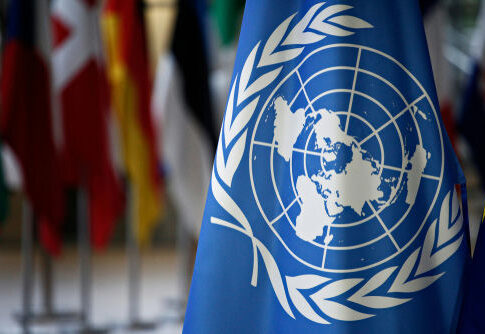
A self-immolation outside the United Nations headquarters has reignited a grim debate about Tibetan protest and the limits of public verification.
Quick Take
- The event is being linked to Tibetan protest activity, but the available research does not provide a full primary-source record of the New York City incident.
- Historical records show a long pattern of Tibetan self-immolations since 2009, with advocacy groups documenting 159 cases and 127 deaths.
- Past cases show that these acts have often been tied to anti-Chinese rule slogans and wider Tibetan resistance.
- Current reporting gaps make it hard to confirm the identity, motive, and exact circumstances of the New York incident from the research alone.
What the record does show
The strongest verified context is historical, not local. The International Campaign for Tibet says 159 Tibetans have self-immolated in Tibet and China since 2009, and 127 died after the act. Other reporting from NPR and related coverage places the number at “at least 159,” showing broad agreement on the scale of the pattern. That history makes any new case outside the United Nations instantly newsworthy.
The research also shows that Tibetan self-immolation has long been used as political protest. A 2016 New York Times report described an 18-year-old monk who died after self-immolating to protest Chinese rule, and it noted that protest cases spread beyond monks to include lay people such as nomads and farmers. The same reporting cited Ngaba County as a major center for these acts, which helps explain why the New York event is being read through that same political lens.
Why the New York case remains hard to pin down
The main problem is evidence quality. The research package does not include a contemporaneous police report, medical finding, or on-record major news investigation that fully confirms the 2026 incident in New York City. It also does not provide a verified primary account of the person identified in social posts as Lobga Rangzen. That gap matters because a self-immolation claim can be real in broad outline while still lacking the documents needed to confirm identity, motive, and cause of death.
This is where the story reflects a larger information fight. Tibetan protest groups have often relied on advocacy networks and outside reporting because direct coverage from inside Chinese-controlled areas has been limited. At the same time, the lack of detailed local records leaves room for rumor, exaggeration, and selective framing. That problem affects readers across the political spectrum, because both supporters and critics end up arguing over thin evidence instead of a complete record.
Why the broader pattern still matters
Self-immolation is one of the most extreme forms of protest, and it carries a heavy moral and political charge. The research describes a long pattern in which Tibetans used the act to call attention to repression, religious control, and demands for freedom. Public debate around these acts has also stayed divided, with some sources emphasizing protest intent and others stressing the limits of the tactic as a political tool. The New York case fits that same tense history.
A man who died after setting himself on fire near United Nations headquarters in New York City has been identified by Tibetan exile groups as activist Lobga (or Lobsang) Rangzen, in what appears to have been a dramatic political protest against China’s rule over Tibet.… pic.twitter.com/uN58Luf1hH
— Juliet Njau (@NjauJuliet) July 3, 2026
What makes this event especially sensitive is its setting. A protest outside the United Nations is meant to force global attention, not local debate. Yet the research shows that attention can still be filtered through partial video clips, activist posts, and incomplete reporting. That leaves the public with a familiar modern problem: a major event can spread quickly online while the facts behind it remain uneven, fragmented, and contested.
Sources:
thegatewaypundit.com, savetibet.org, en.wikipedia.org, nytimes.com