
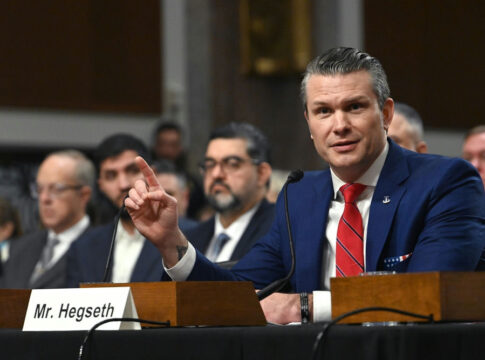
Army survivors of the deadliest Iranian drone strike on U.S. forces since 2021 publicly contradicted Defense Secretary Pete Hegseth’s account, revealing their unit was dangerously unprepared and positioned in a known threat zone despite intelligence warnings.
Survivors Expose Pentagon’s Misleading Narrative
Members of the U.S. Army’s 103rd Sustainment Command provided CBS News with eyewitness accounts, photos, and videos that directly challenge Defense Secretary Pete Hegseth’s characterization of the March 1 attack. Hegseth described the incident as a drone that “squirted through defenses of a fortified unit,” but survivors paint a starkly different picture. They characterized their position at Port of Shuaiba as thinly protected with only vertical blast barricades offering zero overhead cover against drone attacks. One survivor bluntly assessed the defenses as “about as weak as one gets” from a bunker standpoint, contradicting the Pentagon’s public messaging.
The attack occurred around 9:15 a.m. when an Iranian drone struck the tactical operations center, causing catastrophic damage with smoke, fires, and shrapnel injuries including head wounds, severe bleeding, and perforated eardrums. Approximately 60 troops had taken cover in a cement bunker just hours earlier during missile alarms, but received an all-clear before the drone strike. Survivors described chaotic scenes of self-triage, using makeshift bandages and commandeering civilian vehicles to transport wounded comrades to Kuwaiti hospitals in the Fahaheel suburb. The death toll of six represents the deadliest Iranian attack on American forces since 2021.
Questionable Command Decisions Under Fire
The most troubling revelation centers on leadership decisions that placed these soldiers in harm’s way. The unit received orders to “Get off the X”—military parlance for evacuating a danger zone—yet commanders relocated them from a major U.S. base south of Kuwait City to Port of Shuaiba, actually moving them closer to Iran. Intelligence reports had specifically listed this smaller, older port facility as a potential Iranian target. Survivors questioned why their sustainment unit, focused on logistics rather than combat operations, was positioned in what they described as a “deeply unsafe area” without adequate defensive capabilities or a compelling operational justification.
This disconnect between Washington’s messaging and battlefield reality exemplifies a disturbing pattern where government officials prioritize narrative control over transparency. The Pentagon’s refusal to comment, citing an active investigation, allows misleading characterizations to stand unchallenged while the survivors who lived through the attack face military media restrictions that force them to speak anonymously. These service members aren’t seeking to diminish the valor displayed during the attack—they praise their comrades’ courage and ingenuity in responding to the crisis. Rather, they’re demanding accountability for decisions that left them exposed and unprepared, honoring their fallen brothers and sisters by insisting on the truth.
Broader Implications for Military Readiness
The gap between Hegseth’s “fortified unit” description and survivors’ accounts of inadequate defenses raises serious questions about U.S. military preparedness in Middle East outposts. The incident highlights potential vulnerabilities in drone defense systems and base fortification standards, particularly for logistics units operating in high-threat environments. Short-term consequences include eroded trust in Pentagon communications and pressure for transparent investigations. Long-term implications could reshape relocation policies, force protection protocols, and resource allocation for overhead defense systems. Both conservatives concerned about effective military readiness and liberals worried about leadership accountability should find common ground in demanding answers.
Survivors of deadly Iranian attack on U.S. military outpost reject Hegseth’s claims – MS NOW https://t.co/qBdewQTNBT
— O (@O19928734) April 10, 2026
The survivors’ decision to speak publicly despite career risks underscores the gravity of their concerns. They returned from deployment only to watch senior officials characterize their experience in ways they consider fundamentally dishonest. Their testimony suggests systemic failures where troops tasked with sustainment operations were placed in combat-level threat zones without appropriate defensive infrastructure. For Americans across the political spectrum frustrated with government institutions that prioritize image over substance, this incident reinforces suspicions that the so-called “deep state” values bureaucratic self-protection over the lives of service members who deserve transparent, accountable leadership willing to learn from deadly mistakes.
Trump the Nazi
Darrell Beliveau the queer bath house peter puffer.
And Anyone believing this manure has chromosomal damage