
Ukraine’s latest drone strike on a Moscow refinery exposed how vulnerable Russia’s fuel system has become, even deep inside the capital.
Quick Take
- Moscow officials said a drone hit a Gazprom Neft refinery in southeast Moscow and started a fire.
- Russian authorities said no one was hurt, and emergency crews later put out the blaze.
- Reuters and other outlets said the strike may have damaged a major processing unit and forced at least a partial shutdown.
- The attack fits a wider campaign that has repeatedly targeted Russian refineries and fuel depots.
What Happened in Moscow
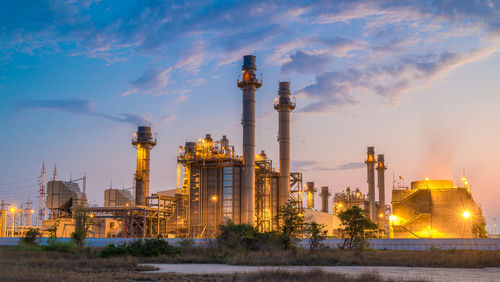
Russian officials said a Ukrainian drone hit the Gazprom Neft refinery in the Kapotnya area of southeast Moscow. Moscow Mayor Sergei Sobyanin said there were no injuries, and emergency authorities later said the fire was put out. Reuters reported that the strike started a fire at the refinery and that two industry sources said operations were halted. [11]
Video and photos from the scene showed heavy smoke and flames rising over the industrial site. Reuters’ report and other coverage described the plant as the largest fuel supplier to the Moscow region, which gives the strike more weight than a simple symbolic hit. Even if the fire was contained, the event showed that long-range Ukrainian drones can reach a critical energy site near the Kremlin. [7][11]
Why the Refinery Matters
The Moscow refinery is not just another industrial site. Reuters said it processed 11.6 million tons of crude oil in 2024 and produced large volumes of gasoline and diesel. CNBC TV18 said a primary unit accounting for more than half the plant’s capacity was damaged, while other reports said the site supplies more than a third of fuel for the capital region. Those figures help explain why the strike drew so much attention. [1][11]
That matters because Russia’s refineries have been under steady pressure from repeated Ukrainian drone attacks. Reuters reported in May that several central Russian refineries had already been forced to halt or cut output, and Kpler said the campaign is built to keep plants under constant disruption rather than hit them once. Taken together, the pattern points to a war over fuel, transport, and military supply lines, not just territory. [18][19]
Damage Claims and Limits on Verification
The hardest question is how much damage the Moscow refinery really took. Russian officials stressed that there were no casualties and said the fire was extinguished. Reuters also said it was not immediately clear whether the incident disrupted operations, even though later reporting cited industry sources saying a key unit was damaged and the refinery stopped refining. The gap between those versions shows how hard wartime verification can be. [11]
Reports indicate that Ukraine carried out a large-scale drone operation targeting energy infrastructure in the Moscow region, including an oil refinery facility. The incident is described as one of the more significant drone offensives in recent periods of the ongoing conflict.… pic.twitter.com/7VXsO1SO5X
— Global World TV News (@GlobalC83910) June 18, 2026
What is clear is that both sides use these strikes for message warfare. Kyiv presents them as proof that Russia’s rear areas are no longer safe, while Moscow tries to limit the sense of damage and control public reaction. For readers, the larger lesson is not just one refinery fire. It is that a long war is now reaching the infrastructure that keeps Moscow supplied, and that pressure is likely to continue. [1][18][19]
Sources:
[1] Web – Ukraine sets Moscow refinery ablaze in biggest attack in years
[7] Web – A drone strike has ignited a fire at Moscow’s largest oil refinery, a …
[11] Web – Large plume of smoke seen from site of Moscow refinery after drone …
[18] Web – Moscow’s Biggest Oil Refinery Near Kremlin Hit Again as Drone …
[19] Web – Ukraine Drone Strategy Cuts Russian Refining by 335 kbd – Kpler