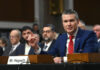

Kevin Warsh stands at the center of a confirmation battle that could reshape America’s economic future. President Trump’s nominee to chair the Federal Reserve faces a Senate Banking Committee hearing Tuesday, where one question will determine whether he serves Americans or political masters. The stakes have never been higher for monetary policy independence.
The Inflation Reality Check
For five consecutive years, inflation has exceeded the Federal Reserve’s 2% target. Core personal consumption expenditures currently run at 3% for the past three months—a full percentage point above where it should be. Fed officials have attributed this persistent inflation directly to tariffs imposed over the past year, yet the White House continues to resist this economic reality. The question senators must ask Warsh is simple: Do you agree that tariffs are driving this excess inflation? His answer will reveal whether he’s willing to speak truth to power or simply echo White House talking points regardless of economic data.
Fed Independence Under Threat
Trump’s previous nominee to the Federal Reserve Board, Stephen Miran, already signaled willingness to cut rates despite elevated inflation—precisely what the president demands. Current Fed officials have stated clearly they must wait before adjusting rates, allowing tariff-related price pressures to stabilize. If Warsh denies tariffs impact inflation while simultaneously advocating rate cuts, he demonstrates submission to presidential pressure over economic reality. Senator Thom Tillis has already blocked committee advancement until Trump withdraws groundless criminal inquiries into current Fed Chair Jerome Powell. The confirmation process itself has become a test of institutional independence.
What’s At Stake For Americans
The Federal Reserve’s credibility depends on following economic data rather than political preferences. If Warsh acknowledges tariff-driven inflation, he shows capacity for independent judgment that protects the dollar’s value and American purchasing power. If he parrots administration denials while pushing rate cuts that would fuel further inflation, he signals the Fed will become another political tool. Markets and international investors watch closely. Central bank independence remains fundamental to economic stability, and this confirmation hearing will demonstrate whether that principle survives or becomes another casualty of political loyalty demands.
The Broader Economic Context
New tensions with Iran have introduced additional price pressures into an already fragile situation. War-driven uncertainty compounds tariff effects, making clear-eyed economic analysis more critical than ever. Jared Bernstein, former chair of President Biden’s Council of Economic Advisers, emphasizes that senators must probe deeply to determine Warsh’s willingness to resist presidential pressure. The banking committee holds responsibility for protecting Fed independence, regardless of which party controls the White House. Tuesday’s hearing will test whether institutional checks still function when political pressure reaches maximum intensity. The question isn’t partisan—it’s whether economic policy serves political ambition or American prosperity.