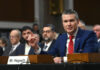


Vice President JD Vance just gave every state governor in America a stark choice: root out Medicaid fraud now, or watch federal dollars vanish from programs serving millions of the nation’s most vulnerable citizens.
The Federal Hammer Drops on Minnesota
Minnesota woke up to a fiscal nightmare when Vance and CMS Administrator Mehmet Oz stood before cameras announcing the payment freeze. Federal auditors discovered a staggering pattern: providers billing Medicaid for millions in services never confirmed as delivered. Daycare centers charged for children who never showed up. Transportation companies invoiced for rides never taken. Home healthcare workers submitted claims for patients they never visited. The federal government had been writing checks to cover ghost services, and now the bill collector arrived with consequences.
Follow the Money, Find the Fraud
Medicaid fraud bleeds taxpayers of over $100 billion annually across Medicare and Medicaid programs combined, according to Department of Health and Human Services estimates. Minnesota’s improper payment rate hovers between 15 and 20 percent, significantly above the national average of 12 percent. The state relies on federal funds for 60 percent of its $10 billion Medicaid budget, serving one-quarter of Minnesota’s population. When federal auditors scrutinized the books, they found $244 million in claims lacking proper documentation and another $15 million paid on behalf of individuals who failed to meet immigration eligibility requirements under federal law.
A Pattern Decades in the Making
This crackdown didn’t materialize overnight. Trump’s first term launched Operation Double Helix between 2018 and 2020, recovering over $2 billion from healthcare fraud rings. Minneapolis daycare fraud scandals involving Somali-owned centers billing for phantom services triggered ICE raids and protests throughout 2025. Federal audits escalated under Trump’s second administration, revealing systematic fraud patterns in personal care attendants and non-emergency medical transportation, services that expanded dramatically in states that adopted Medicaid expansion under the Affordable Care Act. The fraud infrastructure grew sophisticated, exploiting program complexity and minimal verification requirements.
Walz Calls It Retribution, Vance Calls It Accountability
Governor Tim Walz fired back immediately, labeling the federal action a “campaign of retribution” that would devastate veterans, children, and disabled Minnesotans. Vance countered that people billed millions without confirmation, exploiting American taxpayer generosity. Oz emphasized that while the state already paid contractors, federal reimbursements would remain frozen until Minnesota implements verification systems. The 60-day clock starts ticking, forcing Walz to choose between accepting federal oversight or risking permanent funding cuts. Minnesota could reallocate state funds or pursue litigation, following precedents like Texas v. CMS in 2021, but neither option offers quick resolution.
Beyond Minnesota: A National Warning Shot
Minnesota serves as the opening salvo in a nationwide crackdown. Trump declared the “War on Fraud” during his State of the Union address, appointing Vance to lead a federal task force targeting waste and abuse in taxpayer-funded programs. Similar investigations already expanded to Columbus, Ohio, probing home health fraud under Vance’s direction. California and New York faced CMS clawbacks exceeding $500 million in 2024. The administration nominated a dedicated “fraud czar” to institutionalize enforcement nationwide. Healthcare providers across all fifty states now face a choice: implement rigorous verification systems or prepare for federal audits that could expose similar vulnerabilities.
Breaking: Vance issues ultimatum to states: Crack down on fraud or lose some Medicaid funding https://t.co/8EB6to8zsG
— John Solomon (@jsolomonReports) May 13, 2026
The Human Cost of Cracking Down
The immediate impact hits hardest on Minnesota’s 1.3 million Medicaid beneficiaries, disproportionately affecting poor and minority communities. Service delays threaten over 100,000 recipients dependent on daycare and transportation services. Legitimate providers face cash flow crises as federal payments pause, potentially forcing closures that reduce access for eligible families. Veterans and disabled citizens could lose care coordination services while bureaucrats sort fraudsters from honest providers. The long-term deterrent effect could save taxpayers $10 billion or more nationally, but the short-term disruption creates genuine hardship for vulnerable populations caught between federal enforcement and state administration.
Sources:
JD Vance to Halt Medicaid Payments to Minnesota Over Fraud – Hungarian Conservative